Ian Clegg

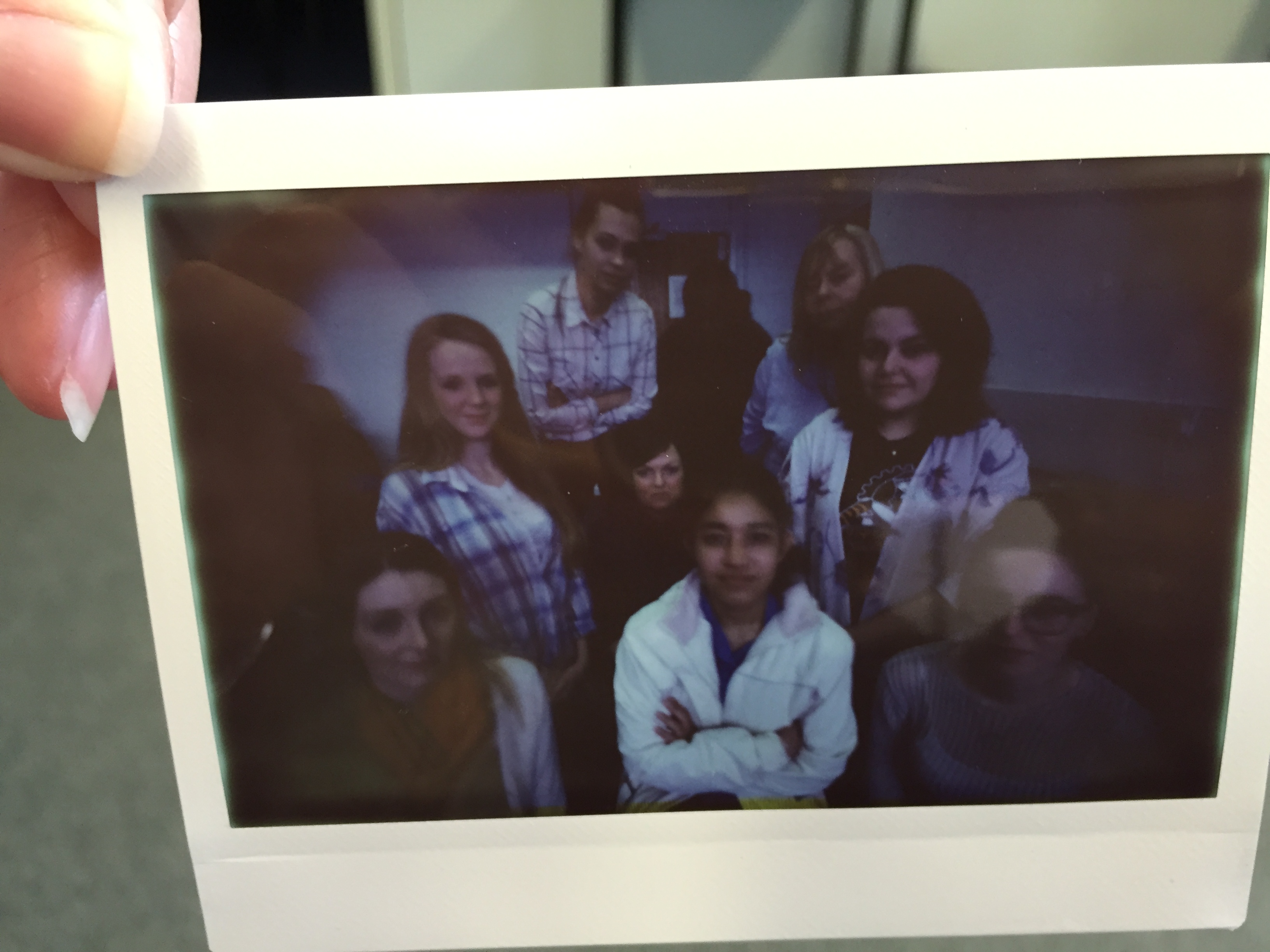
Ian Clegg came into college to talk about his work, he is a photographer, illustrator and painter. He is currently a lecturer in photography at the University Centre Blackpool and the Fylde his personal practice includes visual essays and on-going collections of thematic photographs. He also is a pin hole photography enthusiast and brought a ceramic pin hole camera to show us that his friend who is a ceramicist made for him, he gave great advice on getting your work noticed, exhibiting for free how to get funding via the creative hive.   http://www.creativehive.org/ This is the Polaroid he took of us with his ceramic Pinhole camera.

IMG_3988

This is a video of him taking a photograph with the same camera.

Graphics

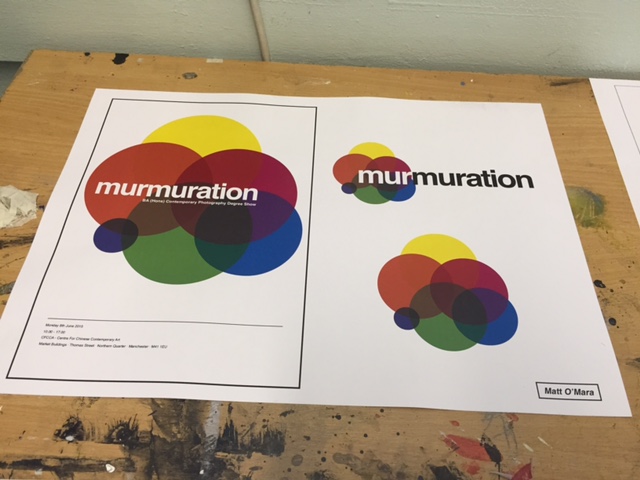
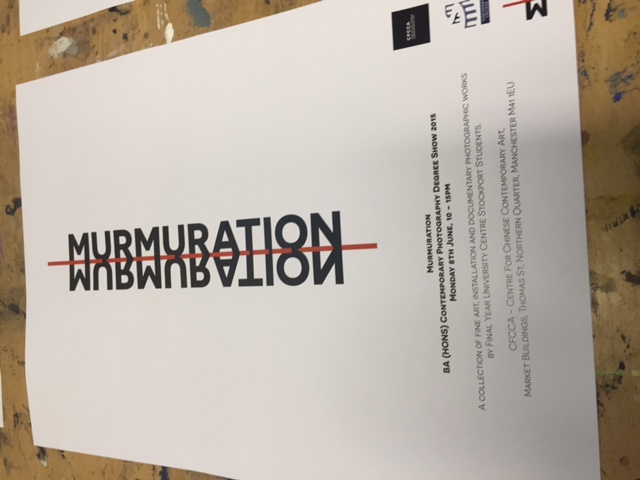
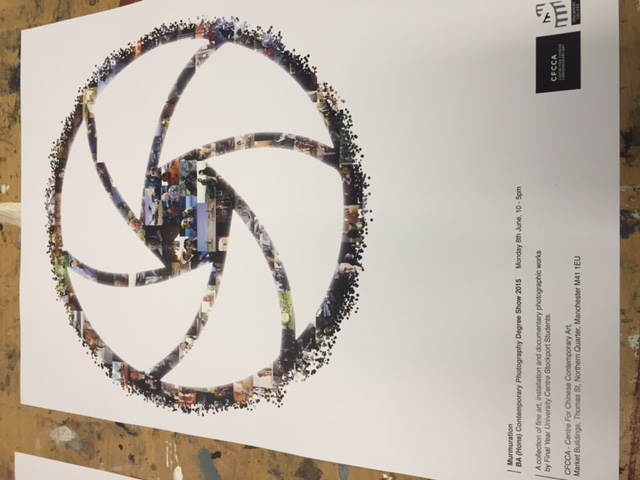
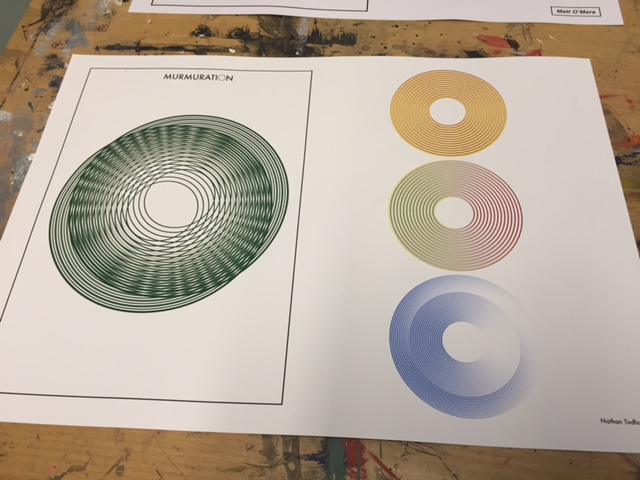
We had a meeting after the graphics pitch to choose who we would like to employ, we found there were two posters we liked we called back the two students advised of what we did and did not like about their posters and asked if they would rethink and come back to meet with us later in the week, these are the two we chose.

IMG_3994 IMG_3999

Meeting The Graphics Students

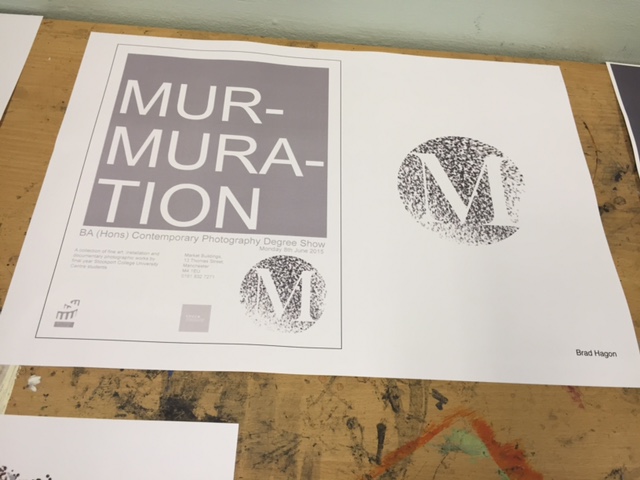
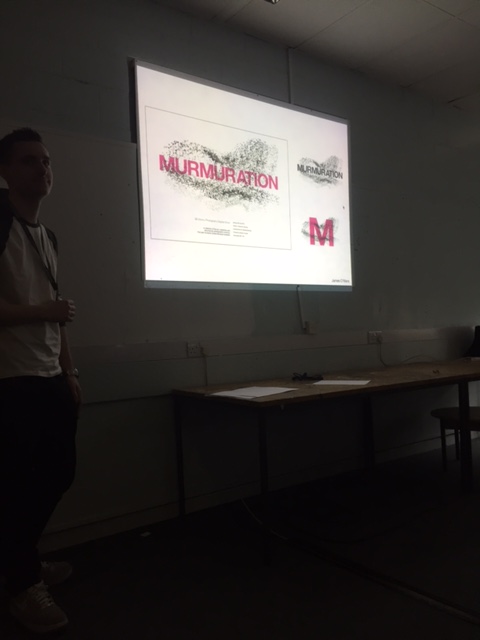
Today we met the 2nd year graphics students they were pitching ideas for the logo for our third year show Murmuration here are some of their ideas:

IMG_3989 IMG_3991 IMG_3992 IMG_3993 IMG_3994 IMG_3995 IMG_3997 IMG_3998 IMG_3999 IMG_4001 IMG_4002

Exhibition Teams

Following the Jen Dimelow talk we had a meeting to choose teams the Co ordinators were voted for and rest decided which team they would like to be part of and here they are:

Co-oridnators

Diane and Katie

                 Promo                                               Web                                   Gallery                            Treasurer

Najah, Solomon, Lauren               Tahla, Sam, Jana           Becky, Claire, Helen, Ella                 Jana

Jen Dimelow Visit

On the 4th of March, we had a visit from Jen Dimelow who is an alumni student of the photography course. I’ve known Jen for 4 years, Jen is always helpful and is a great person to know if you need advice. Her visit was to expand upon her experience in coordinating last years final show at the Chinese Arts Centre, as always she was very thorough and had lots of Ideas for fund-raising and organizing.
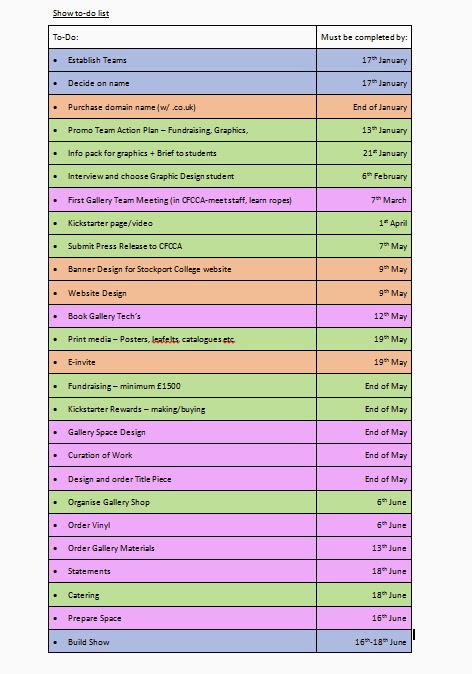
Jen always pays great attention to detail she brought along all of the plans and timetable of dates and a detailed things “to do” list.
After the talk Jen stayed behind to help choose exhibition teams.

Example of Jen’s timetable:

Things we will need to plan and do: we will need a press release (plan ahead) A great Kick starter video (people respond better) Don’t put a time limit on fund-raising, do as much as possible and have this done for at least 6 weeks before the show

You can never have to may dust sheets! Sketch up-Program to help with gallery design, Curating is really important, make sure exhibition is properly curated.
Title Wall
Vinyl Font must be in Gotham Groupspace is a great site for planning http://groupspaces.com/

Ethics

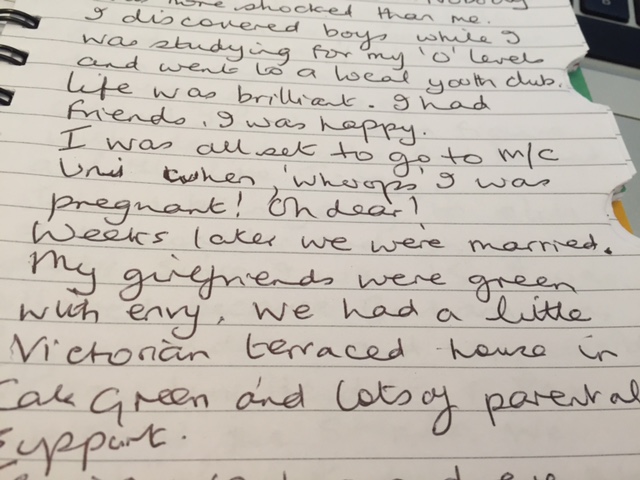
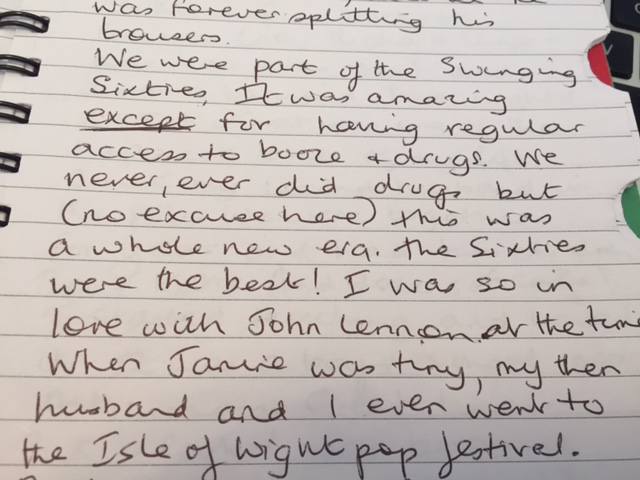
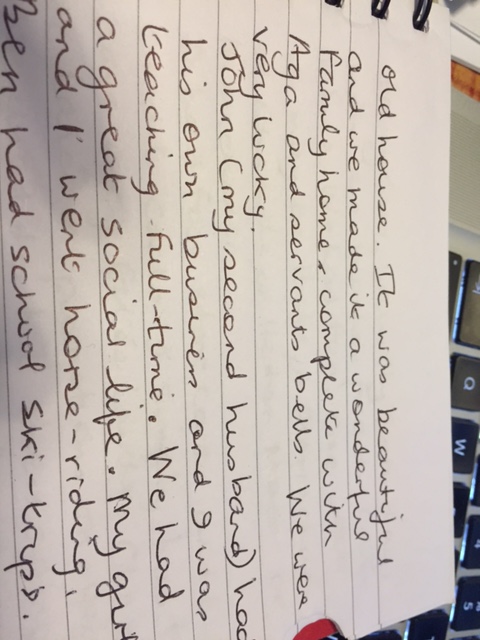
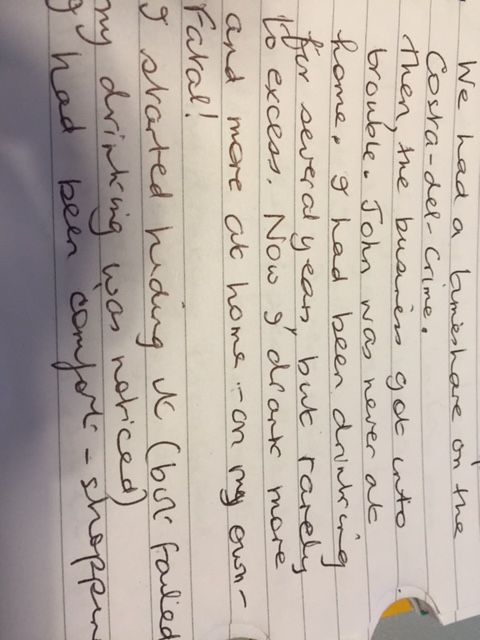
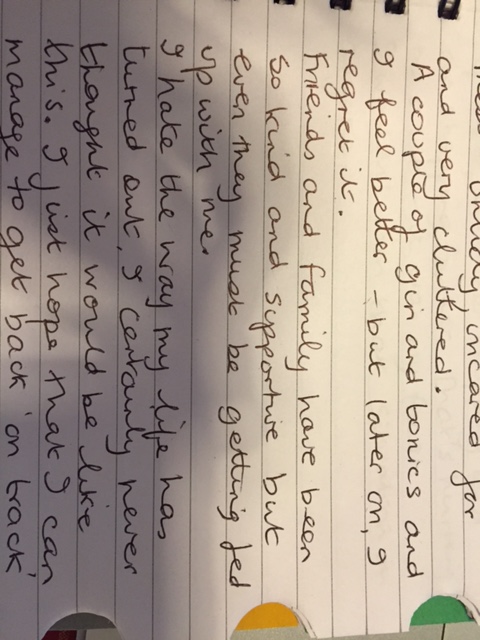
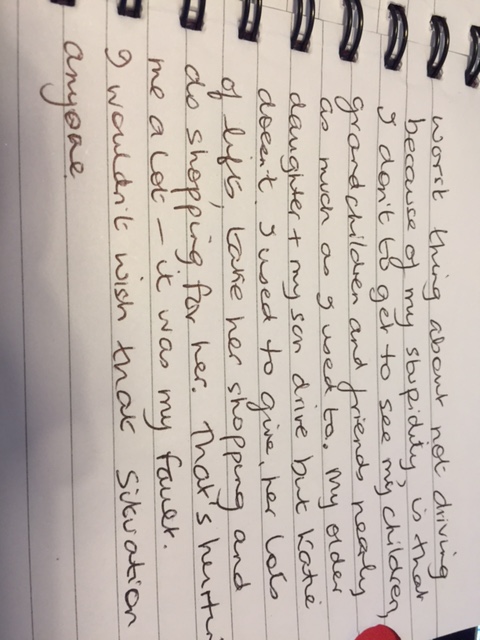
After posting excerpts of Janet’s Journal I have been looking into the ethical aspects of this type of work, I have the model release form but I’m not sure about the journal, I found an interesting website that seems to cover most of the questions I had but not all.

http://www.photoshare.org/resources/development-photography-ethics

These are my Ethical Guidelines

Informed consent

It is important to ensure that anyone who is being interviewed has given his or her informed consent to be included in my research project. This emphasis upon informed consent means that it is your responsibility to inform people fully about the purpose of your research, so that they can understand what they are being asked to take part in, and then freely choose whether or not to participate.

In line with this stress upon informed consent, it is important that anyone participating in my research gives formal, written consent. So my research will include a copy of the form, which people will sign to indicate their consent to be involved in the research process. Such formal, written consent needs to be in place before I start interviewing people, or observing the behavior of a group of people.

I have spent most of the past few months working on the ethics of informed consent. The wording of these guidelines implies that the people being interviewed are both literate and members of (that is, having a stable place within) mainstream society, this holds true for all of the people I intend to interview.

My intended Form of Consent is given at the end of this section. My plan is to say these words at the start of each interview, and to offer a photocopy of my notes for the interviewee to take away with them at the end. I will not identify the interviewee I will use a different name other than, for example, Janet aged 65.

The people I Interview are often people who whom extraordinary things have happened, and if I were to give their full stories, it is likely that a number of them could be identified in this way. But…

Firstly, people who already know the stories could only identify them, and most of these people are very unlikely to be reading my journal. Secondly, I do not intend to use the distinctive stories within my journal. How people handle the issues relating to suffering can be adequately dealt with by consideration of the suffering itself at a reasonably abstract level: I can refer to a ‘close family member’ without going into the details of the individual’s convoluted family history. Thirdly, I will be careful to write in a way that ensures that even if a reader can identify (or suspects that they can identify) an individual being referred to, the individual will not suffer in any way from this recognition.

Withdrawing from the project

Anyone involved in my research project has the freedom to withdraw from the project, if at a later date they decide that they no longer wish to be involved in it. So in asking for informed consent it is important that this freedom to withdraw is clearly explained to people.

In this context, withdrawal is not an issue, since there is no continued involvement in the project. I do not plan to interview anyone more than once. In any case, this would not normally be possible or practical: they often fail to turn up for events when their future and their liberty depend on it, so they are unlikely to turn up for a second interview just to satisfy my curiosity.

Confidentiality

Having gained people’s consent it is also vital to ensure that structures are in place which can guarantee that all the information obtained from, or about, someone remains confidential. This raises questions about what you will do to make sure that data, such as tapes or transcripts of interviews, will be stored safely and how it will be safely disposed of at the end of the process. Your research proposal should clearly explain the steps you will take to ensure confidentiality. I will store my records of interviews until after my journal has been marked, so that any questions about the source material can be answered.

Anonymity

Another aspect of confidentiality which needs to be taken seriously is the need to ensure anonymity, so that no-one can be identified as a result of what I have written in my journal. Therefore I will need to show that I am aware of the need to anonymise the results of your data gathering, and that you have realistic plans in place to guarantee that this takes place.
Anonymity is built in to the process. I will not record the names of the people I interview. In addition, most of the people we work with are only know by their ‘street name’ so, even if I recorded and used their name in my Journal, they would still be almost entirely anonymous: unrecognised by their families and the friends they have left behind.

Consequences

A research process which in some way invites people to reflect upon some painful experiences in the past, may have unexpected and disturbing consequences. So, if there is a chance that the research might cause some kind of distress to individuals or groups, then I must consider such consequences and make specific plans to provide appropriate forms of support and help.”

This is a very real possibility. The research is dealing with painful and distressing experiences, and the memory of them will inevitably be difficult at times. But this is what we do every day: people talk with us about difficult, painful and distressing events, and we help them to deal with it. They often come to us because they want to talk, and have no-one else they can talk to.
Bookbinding Induction

After perusing the MMU website I noticed the had a bookbinding workshop something I have always thought I would like to try so I have booked myself onto the Induction with Caitlin Howard.  I have also booked on the John Blakemore workshop in March I’m hoping that I can incorporate this into my final project.

Bookbinding

The Bookbinding Workshop is located on the ground floor of Chatham Building.

Inductions and Support

Caitlin Howard, Assistant Technical Officer, can offer inductions into the Bookbinding Workshop and related equipment. Group inductions can be offered for up to 10 students.

When inductions are not taking place, the Workshop is available as a “drop-in” for inducted users. Please check availability online.

Access and Information required from you

The Bookbinding Workshop is available for inducted users only. To request an induction, please see your Tutor.

An apron system is in place. Customers can collect an apron when accessing the Workshop. When there are no aprons available, the Workshop is full. Bookbinding uses Yellow aprons.

Abide by safe working practice for workshops, the local Risk Assessments available in each area and workshop specific safe working practices.

In addition to the General Code of Practice for Workshops, we ask that you pay particular attention to the safe working practices specific to this workshop and equipment contained therein and these are detailed below.

Anna Fox

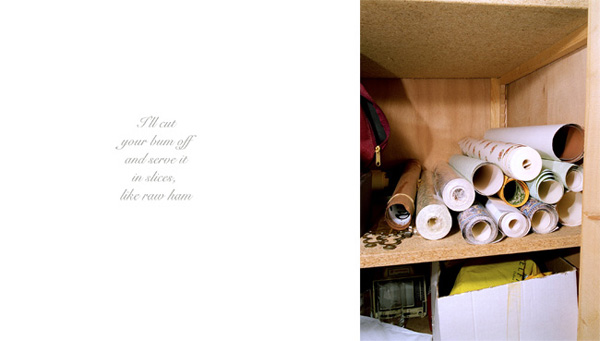
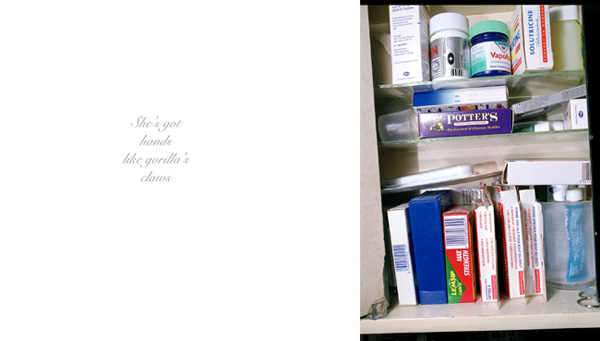
My Mother’s Cupboards and My Father’s Words

Colour photographs of my mother’s tidy cupboards together with excerpts from my father’s rantings.

12_01mymothers 12_05mymothers 12_08mymothers


I am hoping to have some text of Janet’s for my project, this is an interesting piece of work it has given me a lot to think about regarding adding text to my images.

Marjoline Ryley


Marjoline Ryley

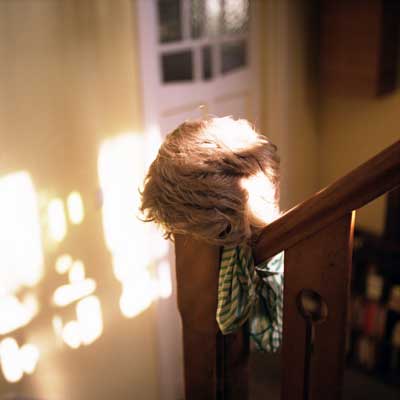
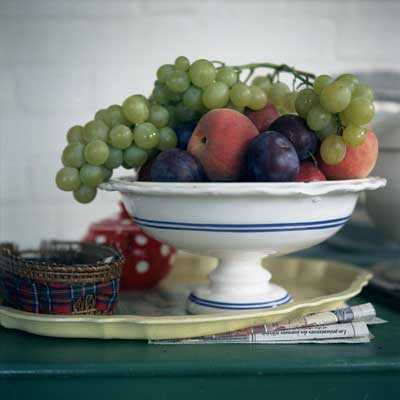
In the set of images entitled ‘Villa Mona’ I photographed my mother’s family’s house on the Belgian coast. My grandmother, my mother and myself have all spent parts of our childhood there.

The collections of objects that can be found in the home can be seen as still life set-ups curated by family members. Objects are placed to act as symbolic reminders of important places, people and events in our lives. These combinations of objects sit within their environments next to other things, wallpaper, furniture, ornaments, thus creating their own miniature narratives.

In opposition to the kind of minimal interiors many people aspire to the objects that clutter the ‘Villa Mona’ are showcased and revered, demonstrating through their stillness and seeming immovability the residues of past lives.

For more information see ‘Villa Mona – A Proper Kind of House’ & ‘The 15th August’ in the Text section.

01house 03wig 04fruit 11communionpic

‘Villa Mona – A Proper Kind of House’ was published in September 2006 by Trace Editions.